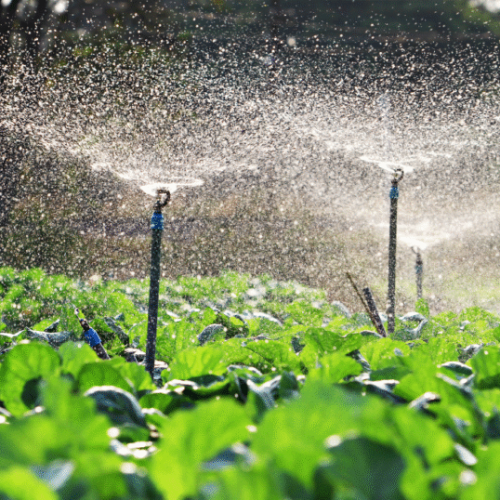

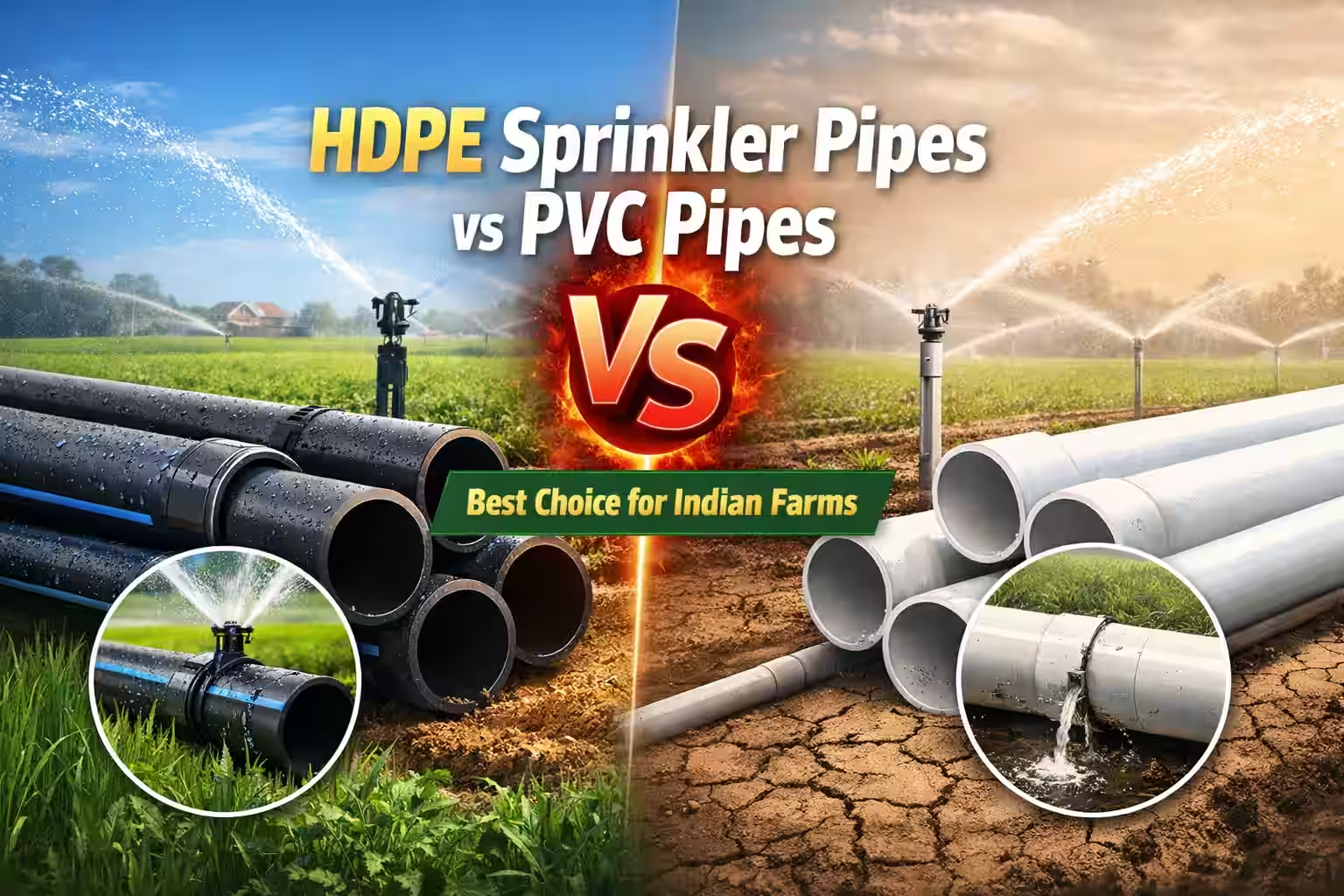
Sprinkler irrigation has become a backbone of modern Indian agriculture. With water scarcity, rising input costs, and the push towards sustainable farming, choosing the right irrigation pipeline is no longer optional—it is strategic.
Traditionally, PVC pipes were widely used for sprinkler systems. However, with changing field conditions and higher performance expectations, HDPE Sprinkler Pipes are increasingly replacing PVC across Indian farms.
This blog presents a clear, farmer-friendly comparison of HDPE Sprinkler Pipes vs PVC Pipes, helping farmers, contractors, and agri-project planners select the best long-term solution.
Indian farming faces uneven rainfall, declining groundwater, and extreme weather conditions. Sprinkler irrigation helps by:
Reducing water wastage
Ensuring uniform crop irrigation
Improving yield and fertilizer efficiency
Supporting government micro-irrigation schemes
The efficiency of a sprinkler system largely depends on the quality of pipes used—making the comparison between HDPE Sprinkler Pipes vs PVC Pipes extremely important.
Sprinkler irrigation has become a backbone of modern Indian agriculture. With water scarcity, rising input costs, and the push towards sustainable farming, choosing the right irrigation pipeline is no longer optional—it is strategic.
Traditionally, PVC pipes were widely used for sprinkler systems. However, with changing field conditions and higher performance expectations, HDPE Sprinkler Pipes are increasingly replacing PVC across Indian farms.
This blog presents a clear, farmer-friendly comparison of HDPE Sprinkler Pipes vs PVC Pipes, helping farmers, contractors, and agri-project planners select the best long-term solution.
Indian farming faces uneven rainfall, declining groundwater, and extreme weather conditions. Sprinkler irrigation helps by:
Reducing water wastage
Ensuring uniform crop irrigation
Improving yield and fertilizer efficiency
Supporting government micro-irrigation schemes
The efficiency of a sprinkler system largely depends on the quality of pipes used—making the comparison between HDPE Sprinkler Pipes vs PVC Pipes extremely important.
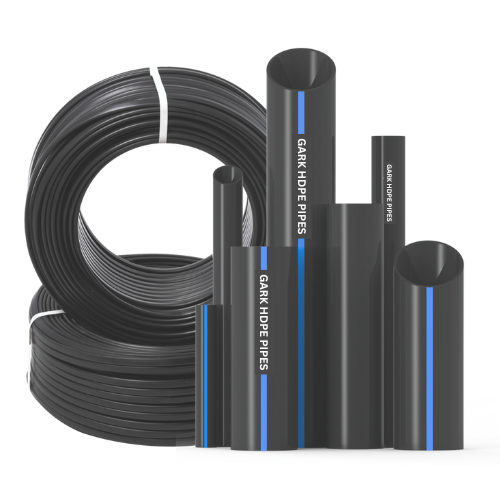
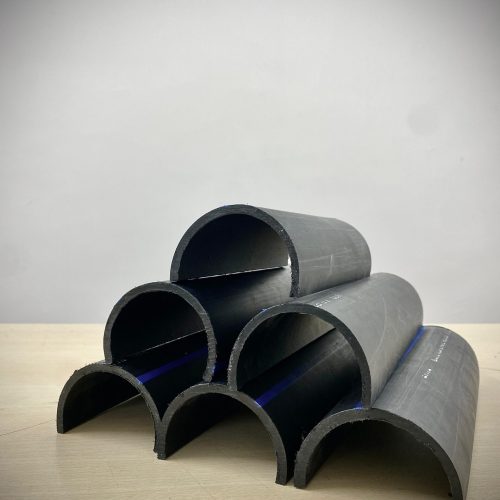
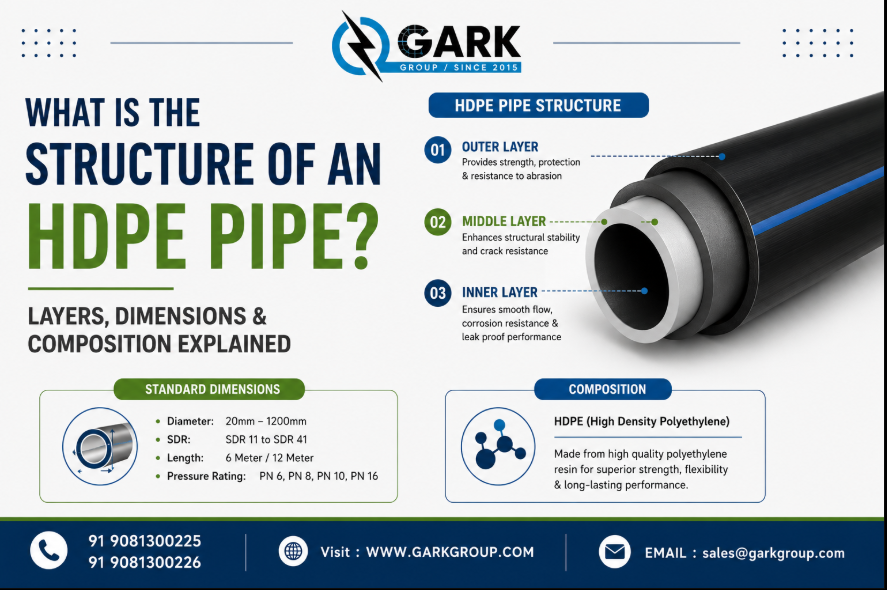
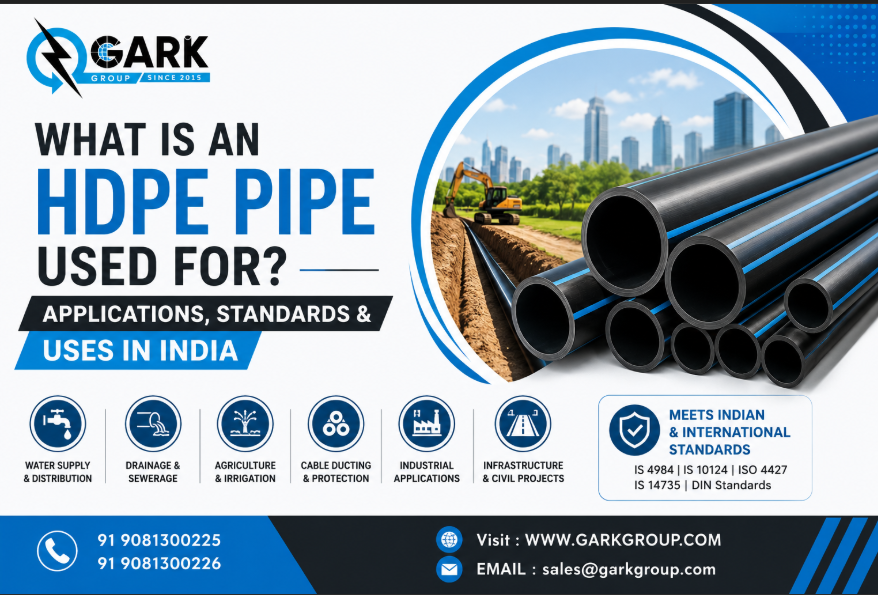
HDPE Sprinkler Pipes are manufactured from High Density Polyethylene (PE100) and are specially designed for agricultural irrigation as per IS 17425 standards.
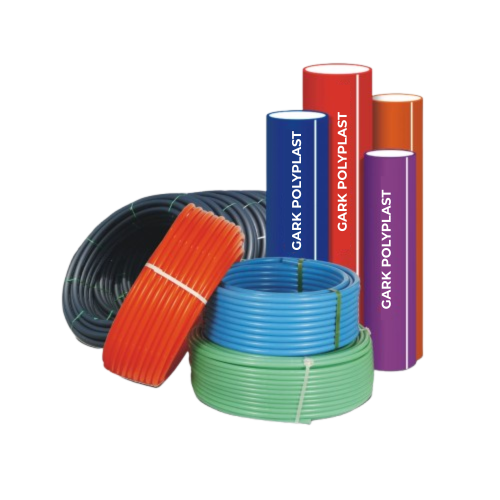
At GARK Polyplast Pvt. Ltd., HDPE sprinkler pipes are engineered for Indian field conditions where flexibility, durability, and reusability are essential.
Lightweight and highly flexible
Leak-free mechanical joints
Excellent resistance to sunlight (UV)
High pressure handling capacity
Long service life of 40–50+ years
PVC (Polyvinyl Chloride) pipes are rigid plastic pipes commonly used in older irrigation systems.
Lower initial purchase cost
Rigid structure
Solvent-cement joints
Limited flexibility
While PVC pipes may suit fixed, low-pressure installations, they struggle under real farm conditions such as frequent shifting, sunlight exposure, and pressure variation.
PVC pipes are rigid and prone to cracking when fields settle or pipes are shifted.
HDPE sprinkler pipes are flexible and absorb movement without damage.
Winner: HDPE Sprinkler Pipes
PVC joints depend on solvent cement, which weakens over time.
HDPE sprinkler pipes use mechanical fittings that remain leak-free under pressure.
Winner: HDPE Sprinkler Pipes
PVC pipes degrade when exposed to continuous sunlight.
HDPE sprinkler pipes are UV-stabilised and designed for open-field use.
Winner: HDPE Sprinkler Pipes
PVC pipes often need replacement within 10–15 years.
HDPE sprinkler pipes deliver consistent performance for over 40 years with minimal maintenance.
Winner: HDPE Sprinkler Pipes
PVC appears cheaper initially but requires frequent repairs and replacements.
HDPE sprinkler pipes offer a lower total lifecycle cost, making them more economical long term.
Winner: HDPE Sprinkler Pipes
Shorter service life
Higher replacement frequency
Difficult to recycle
Long service life
Fully recyclable material
Lower water and energy losses
Eco-Friendly Choice: HDPE Sprinkler Pipes
Across India, farmers are adopting HDPE sprinkler pipes because they offer:
Faster seasonal installation and dismantling
Compatibility with government subsidy schemes
Better performance in uneven land
Reduced water leakage and crop stress
These benefits make HDPE sprinkler pipes ideal for modern, sustainable farming.
Large and medium agricultural farms
Micro-irrigation and sprinkler systems
Government irrigation projects
Areas with high temperature variation
Farms requiring reusable pipe systems
For related solutions, you may also explore:
HDPE Pipes Manufacturer in India
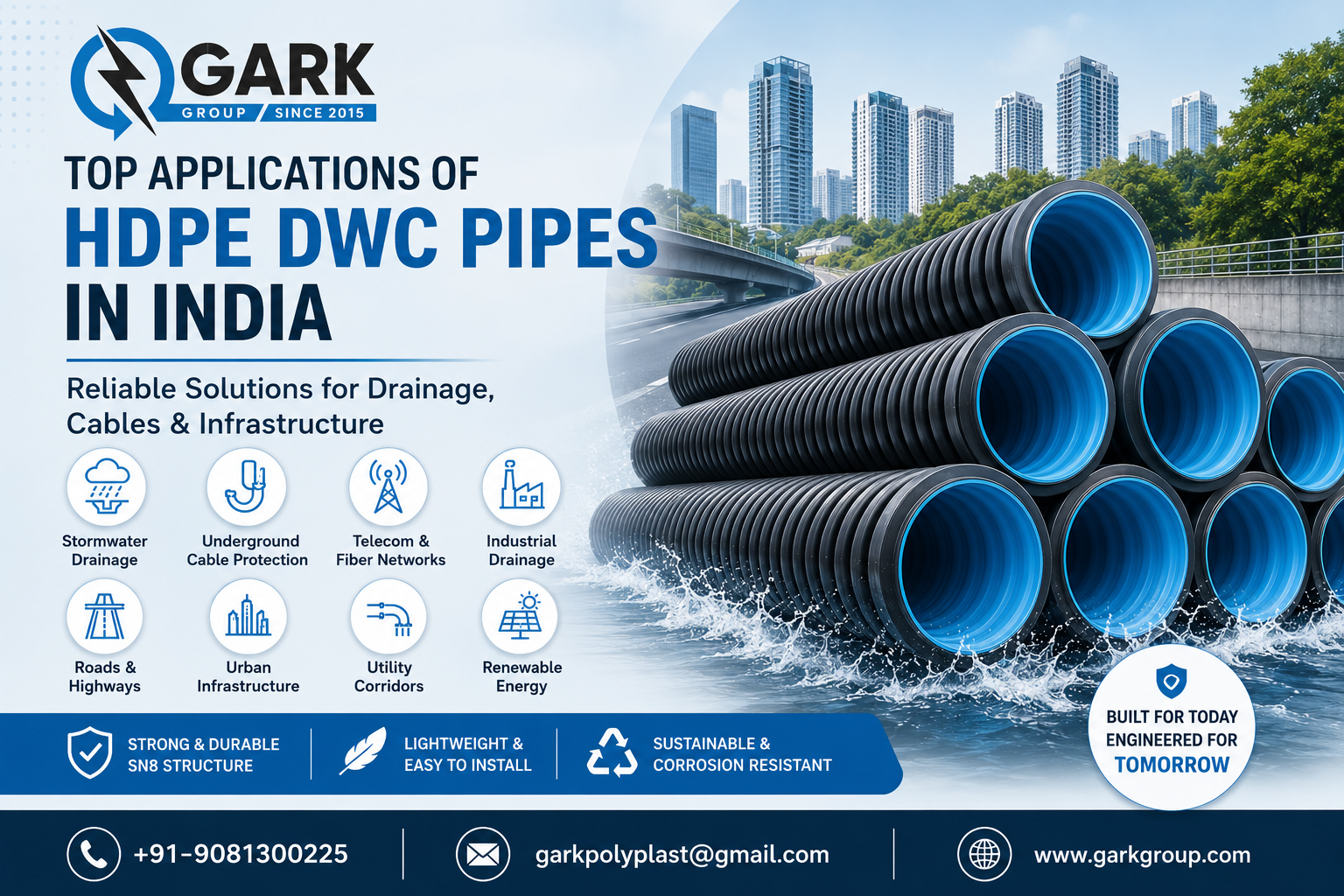
HDPE DWC Pipes for Drainage
PLB Duct Pipes for Cable Protection
GARK Polyplast Pvt. Ltd. is an ISI-certified HDPE pipe manufacturer offering:
IS 17425 compliant HDPE sprinkler pipes
PE100 grade raw material
Consistent quality and supply
Proven performance in agricultural projects
 Learn more here:
https://garkgroup.com/sprinkler-pipes-manufacturer-supplier-india/
When comparing HDPE Sprinkler Pipes vs PVC Pipes, the difference is clear. PVC pipes may work for small, fixed systems, but modern Indian farming demands durability, flexibility, water efficiency, and long service life.
Final Recommendation:
For Indian farms aiming for long-term productivity and water efficiency, HDPE Sprinkler Pipes are the smarter, future-ready choice.