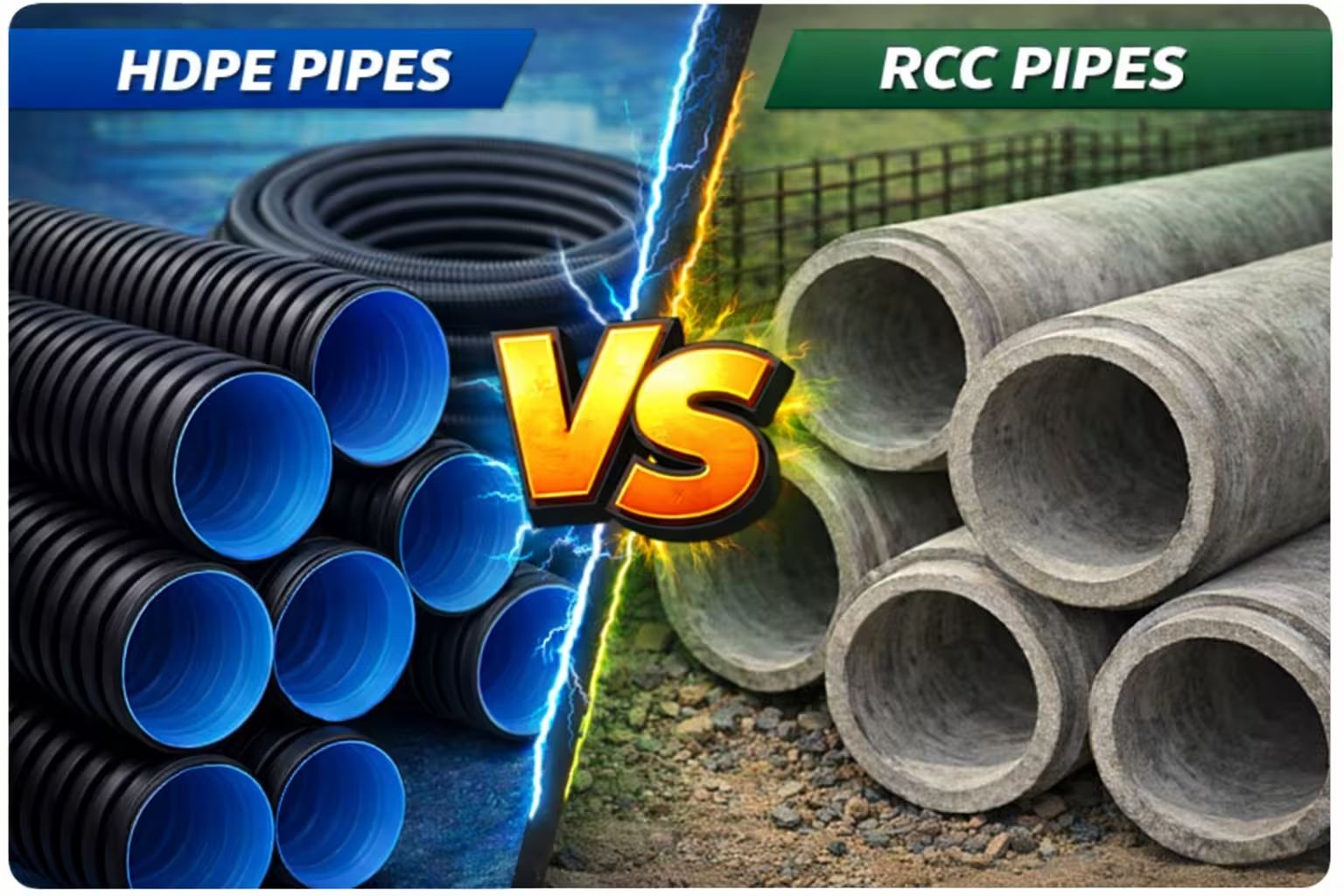
Choosing the right piping material is one of the most important decisions in any infrastructure, drainage, or utility project. In India, HDPE pipes and RCC (Reinforced Cement Concrete) pipes are widely used, but their performance, durability, cost, and applications differ significantly.
This detailed comparison of HDPE vs RCC pipes will help engineers, contractors, government bodies, and project planners select the most suitable option for drainage, sewerage, water supply, electrical cable protection, and solar projects.
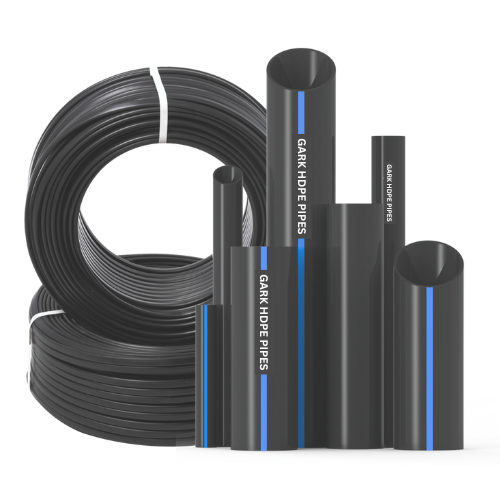
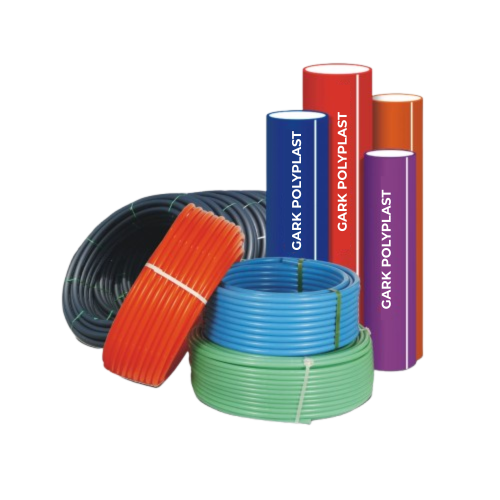
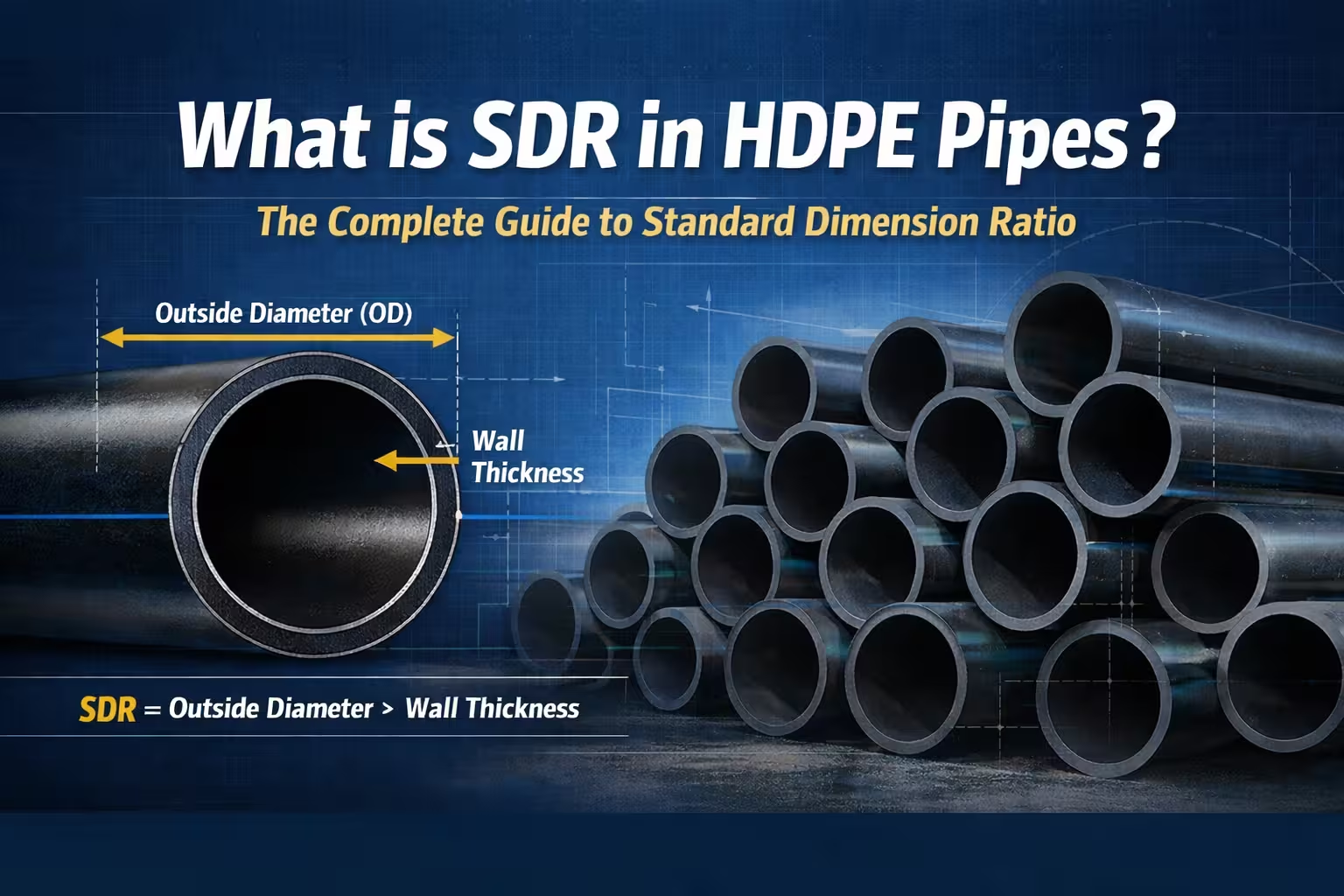
HDPE (High Density Polyethylene) pipes are flexible plastic pipes manufactured using high-grade polyethylene material. They are known for their lightweight structure, corrosion resistance, long service life, and leak-free joints.
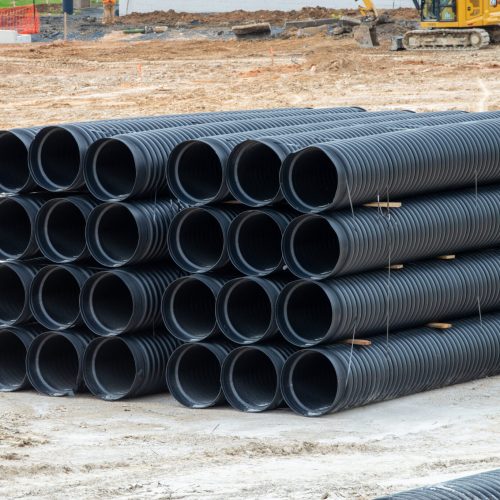
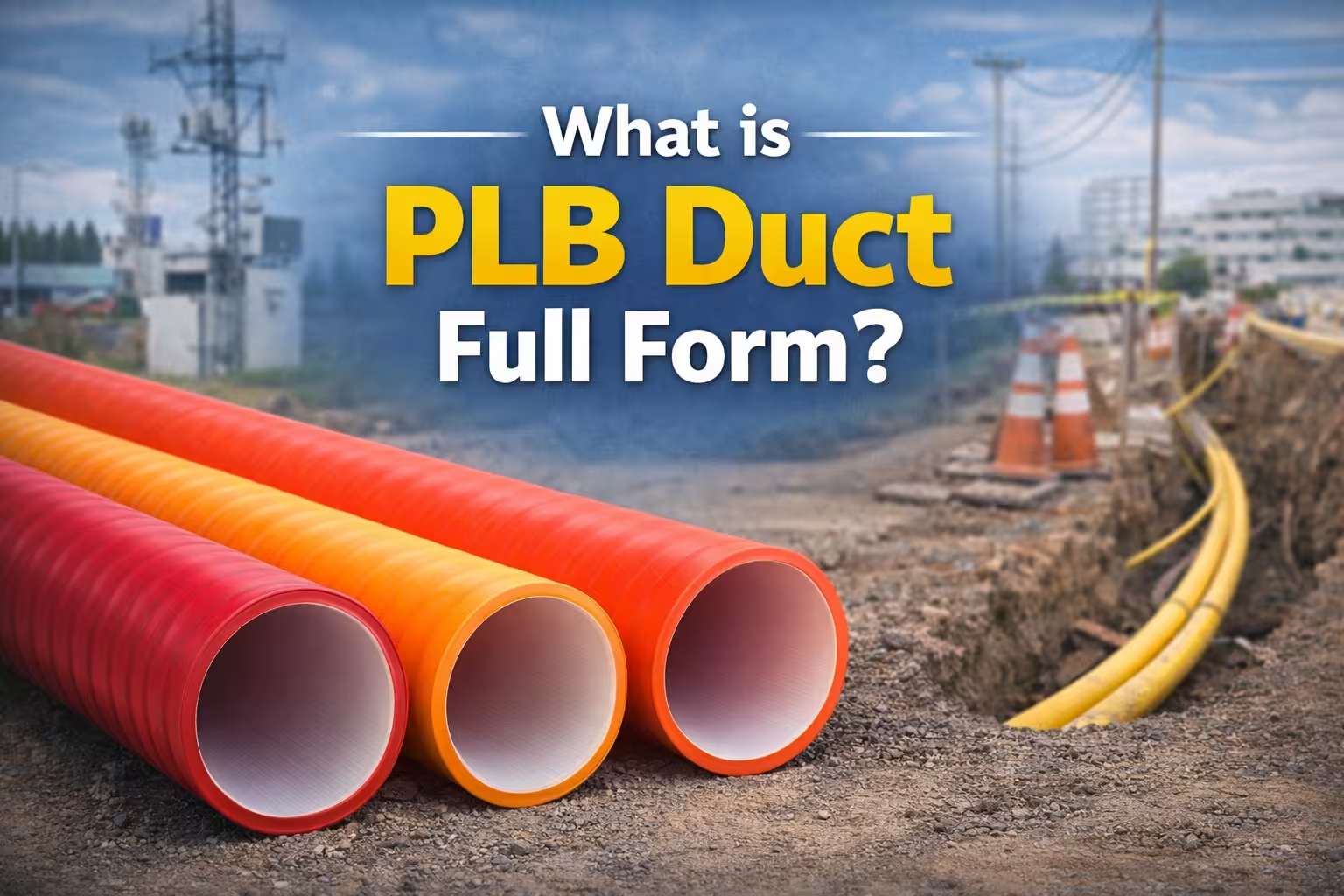
HDPE technology is also used to manufacture HDPE DWC Pipes (Double Wall Corrugated Pipes), which are extensively used for drainage, electrical cable protection, and solar infrastructure projects.
RCC pipes are rigid pipes made from cement, sand, aggregates, and steel reinforcement. Traditionally, RCC pipes have been used for drainage and sewerage systems, especially in older infrastructure projects.
However, RCC pipes are heavy, rigid, and prone to cracking over time due to soil movement and environmental stress.
| Parameter | HDPE Pipes | RCC Pipes |
|---|
| Material | High Density Polyethylene | Cement + Steel Reinforcement |
| Weight | Very Lightweight | Very Heavy |
| Flexibility | Highly Flexible | Rigid |
| Corrosion Resistance | Excellent | Moderate to Poor |
| Chemical Resistance | High | Low |
| Crack Resistance | Excellent | Prone to Cracks |
One of the biggest advantages of HDPE pipes is their long service life of 50+ years. HDPE pipes do not corrode, rust, or degrade when exposed to chemicals, wastewater, or soil contaminants.
RCC pipes, on the other hand:
Are vulnerable to chemical corrosion
Can crack due to ground settlement
Require frequent maintenance and repairs
This makes HDPE pipes and HDPE DWC pipes a far more reliable long-term solution for modern infrastructure projects.
| Aspect | HDPE Pipes | RCC Pipes |
|---|
| Installation Speed | Fast | Slow |
| Equipment Required | Minimal | Heavy Machinery |
| Jointing | Leak-proof | Risk of Leakage |
| Handling | Easy | Difficult |
| Labour Cost | Low | High |
HDPE pipes are easy to transport and install, even in remote or congested areas.
RCC pipes require cranes, skilled manpower, and strong foundations, which increases project cost and time.
For drainage systems, HDPE DWC Pipes are rapidly replacing RCC pipes due to:
High ring stiffness (SN8)
Smooth inner surface for faster flow
No internal scaling or blockage
Excellent performance in storm water drainage
RCC pipes, due to their rough internal surface, often face:
This is where HDPE solutions clearly outperform RCC.
Widely used for electrical cable protection
Ideal for solar power projects
Available in Split DWC Pipe designs for retrofitting
Resistant to moisture, chemicals, and underground stress
Heavy and difficult to install
Not suitable for modern cable management
High risk of cracking and damage to cables
Because of these advantages, DWC Pipe Manufacturers in Gujarat are seeing strong demand from solar and power infrastructure projects.
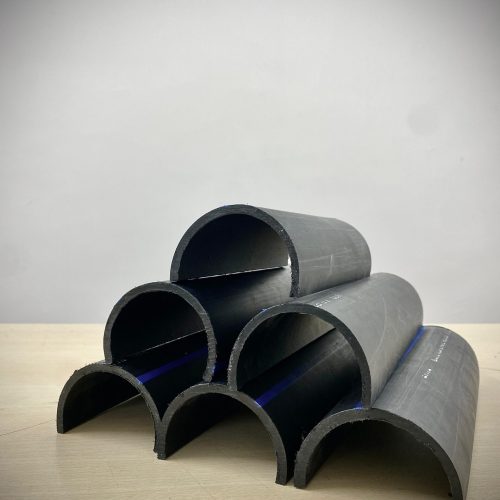
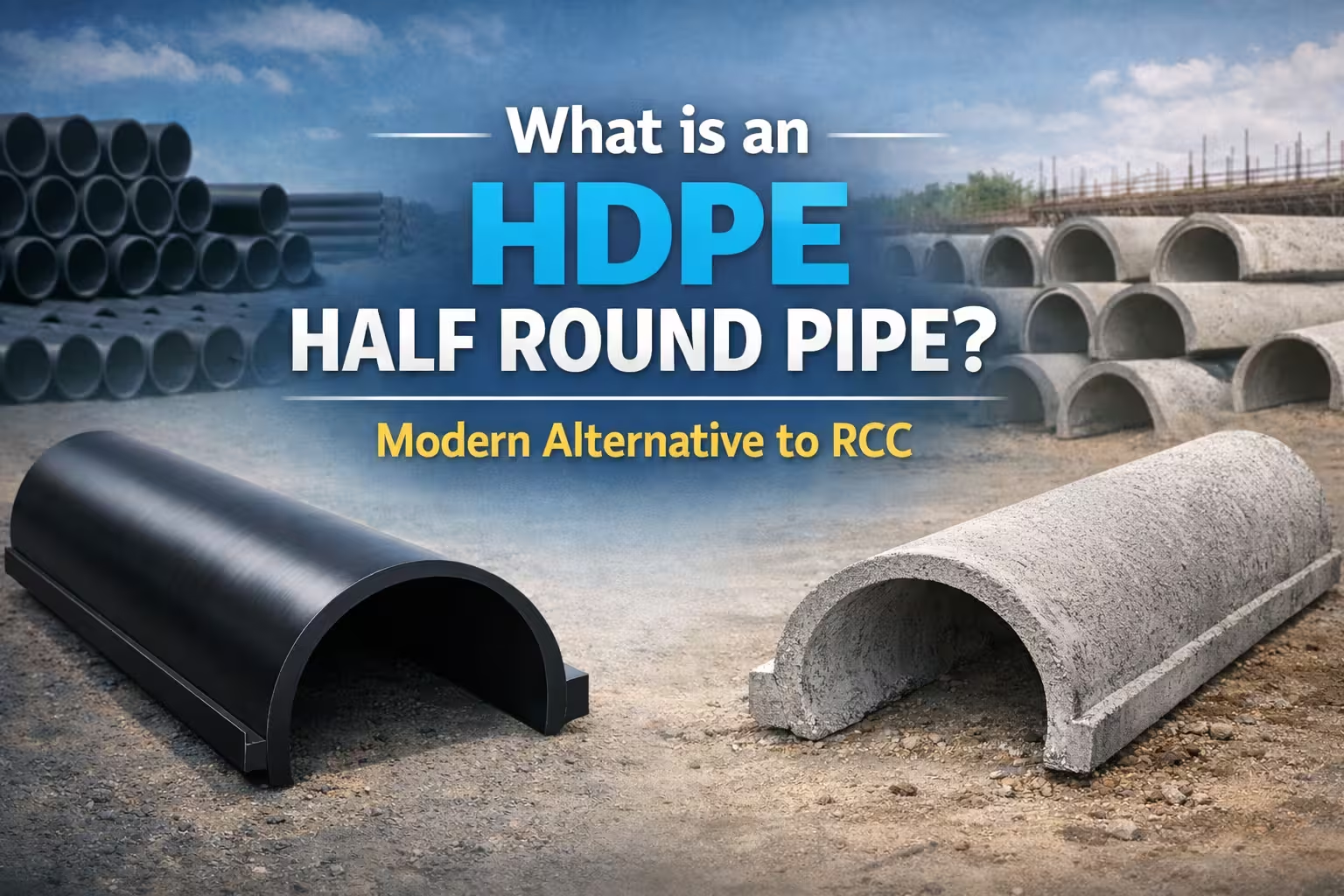
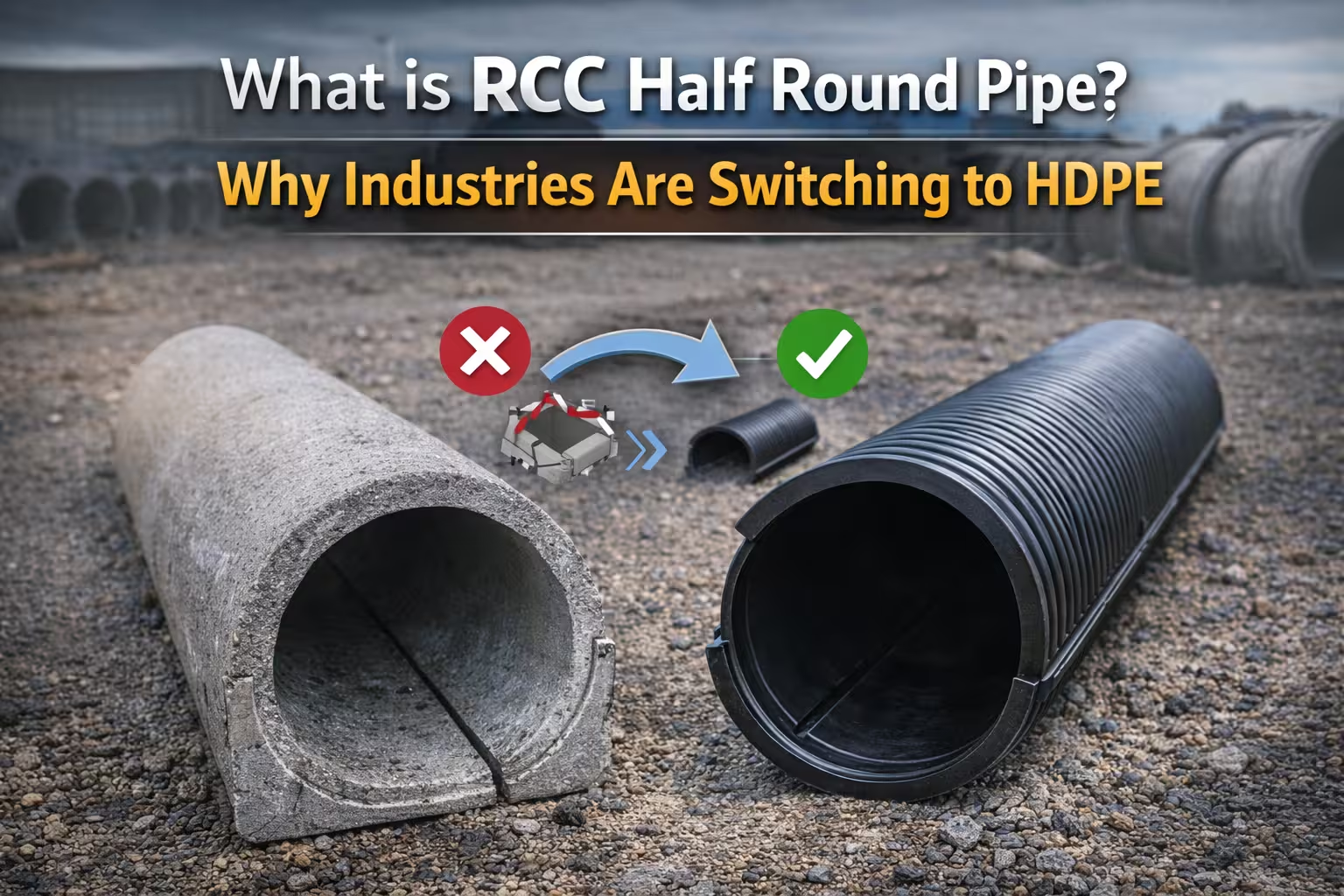
In drainage channels and cable protection systems, HDPE Half Round Pipes are increasingly replacing RCC Half Round pipes.
| Feature | HDPE Half Round | RCC Half Round |
|---|
| Weight | Lightweight | Heavy |
| Installation | Easy | Difficult |
| Flexibility | Flexible | Rigid |
| Cracking Risk | No | High |
| Maintenance | Minimal | High |
| Lifecycle Cost | Low | High |
HDPE Half Round pipes offer superior performance with significantly lower long-term costs compared to RCC Half Round solutions.
While RCC pipes may appear cheaper initially, the total lifecycle cost tells a different story.
When evaluated over 30–50 years, HDPE pipes are far more cost-effective and sustainable.
Modern infrastructure demands:
Flexibility
Durability
Sustainability
Faster execution
HDPE pipes, HDPE DWC pipes, and HDPE Half Round pipes meet all these requirements, making them the preferred choice for drainage, electrical, telecom, and solar projects across India.
The comparison between HDPE vs RCC pipes clearly shows that HDPE pipe solutions offer better durability, lower lifecycle cost, easier installation, and superior performance in modern infrastructure projects, making them a preferred choice for long-term applications.
Whether it is drainage systems using HDPE DWC pipes, electrical cable protection with Split DWC Pipe solutions, solar power projects, or HDPE Half Round applications compared with RCC Half Round, HDPE pipes consistently outperform traditional RCC pipes across all critical performance parameters.
For long-term reliability, sustainability, and cost efficiency, choosing products from a trusted HDPE Pipe Manufacturer in Gujarat and a reliable DWC Pipe Manufacturer in Gujarat ensures that HDPE pipes remain the smarter investment for today’s and tomorrow’s infrastructure needs.