Selecting the right drainage pipe system is a critical decision for any infrastructure project. Whether it is highways, urban drainage, industrial sewer systems, or smart city developments, the durability, performance, and lifecycle cost of pipes directly impact long-term success. Traditionally, RCC (Reinforced Cement Concrete) pipes were widely used for drainage. However, modern projects are rapidly shifting towards HDPE DWC Pipes due to their superior performance and cost efficiency.
In this blog, we will compare HDPE DWC Pipes vs RCC Pipes in detail to help engineers, contractors, and project planners make an informed decision for drainage and infrastructure projects.
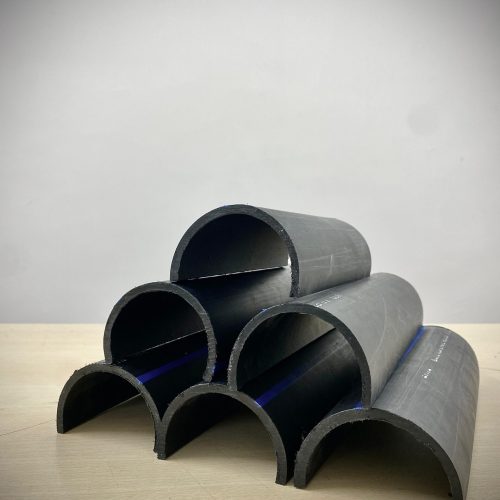
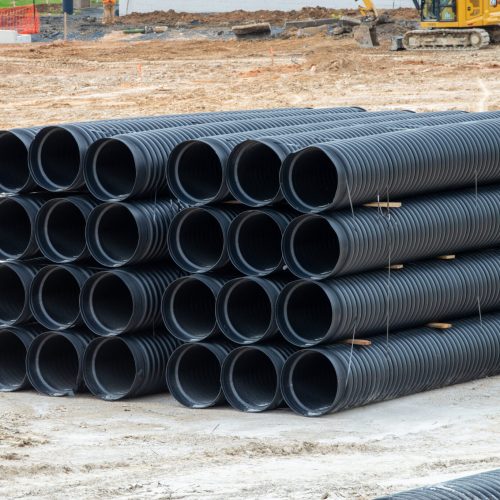
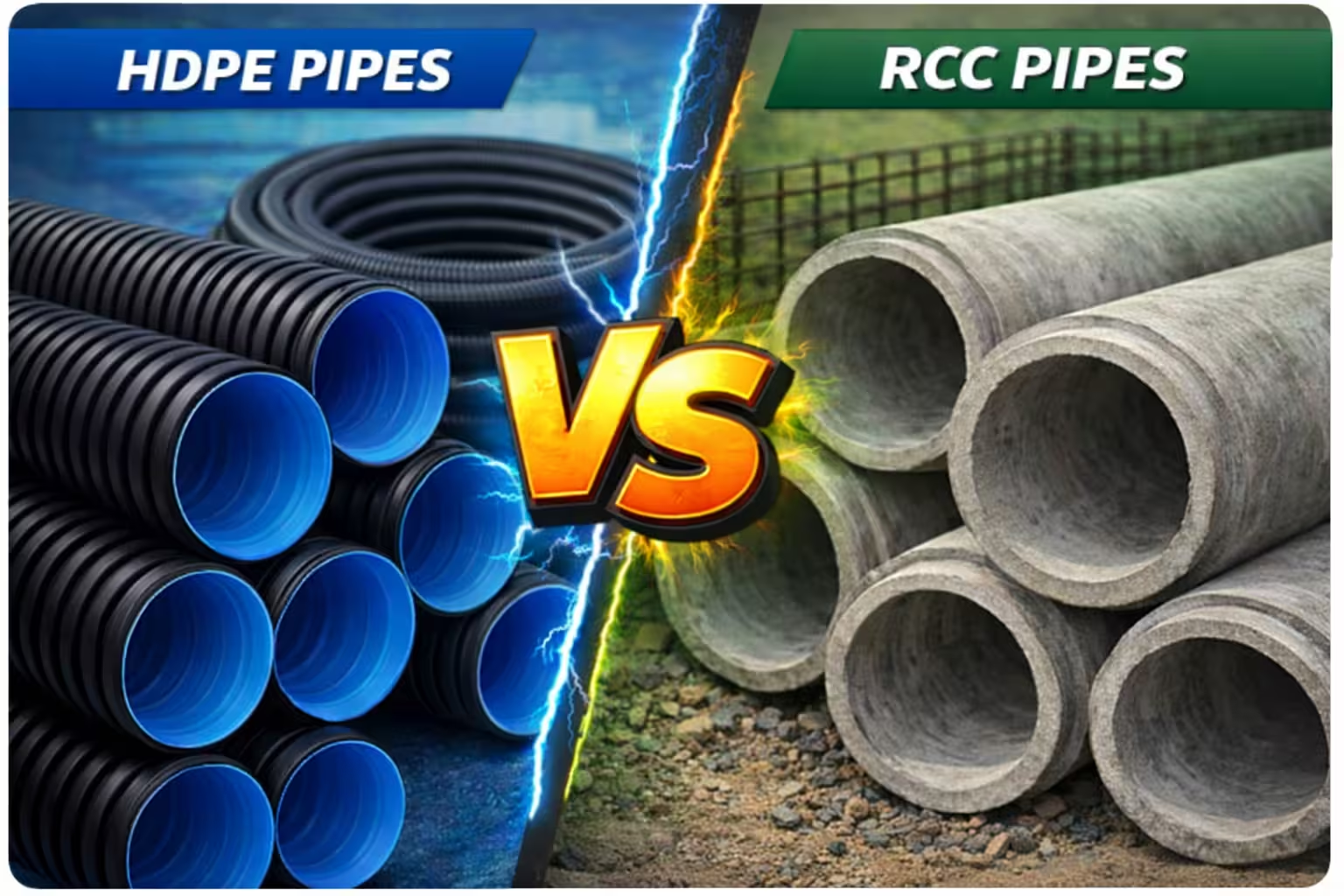
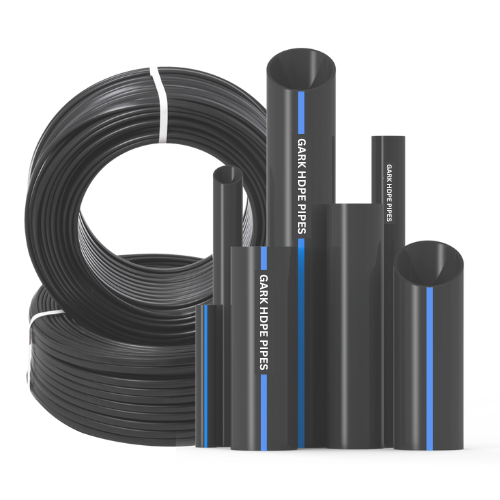
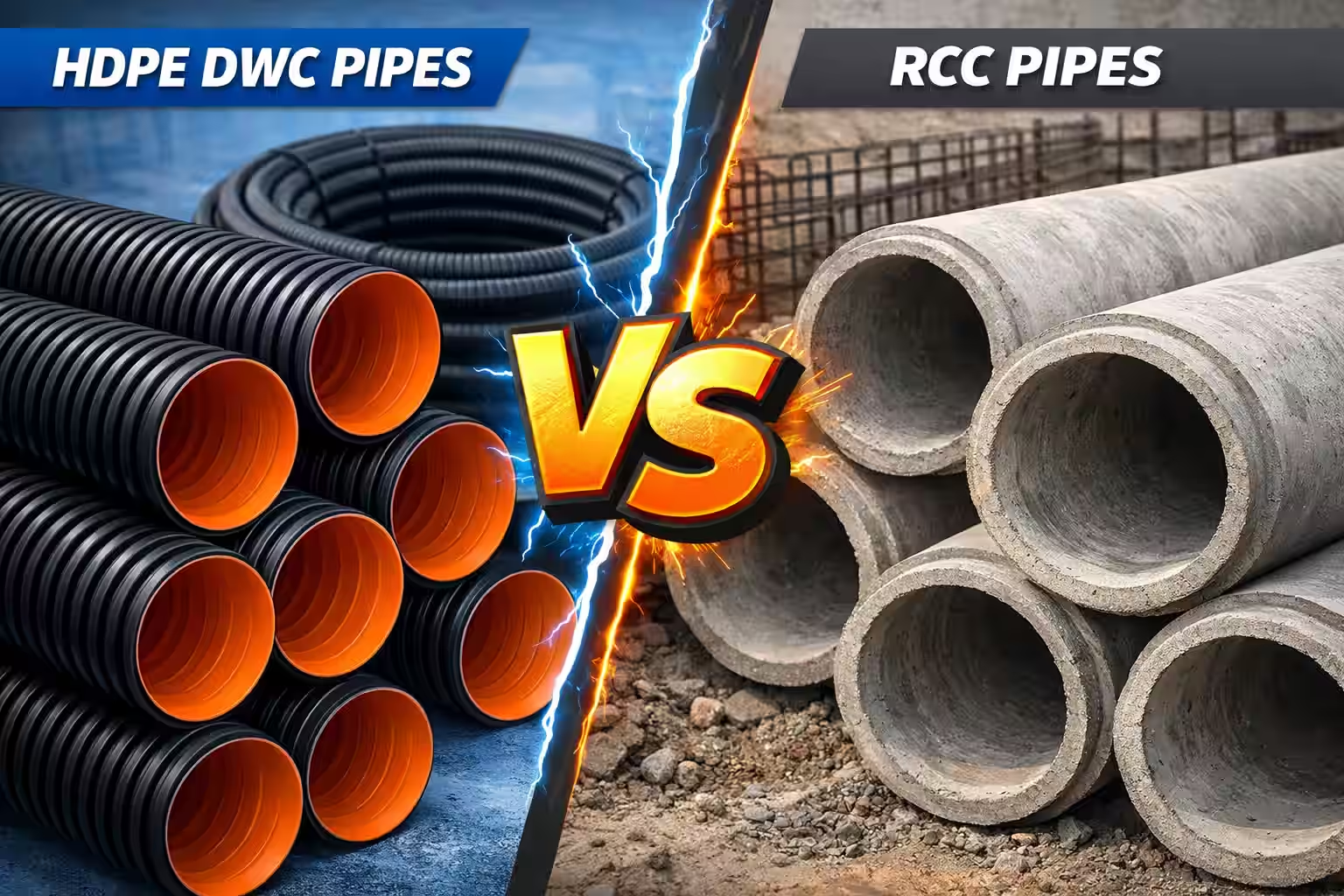
HDPE Double Wall Corrugated (DWC) Pipes are made from high-density polyethylene and feature:
Corrugated outer wall for high ring stiffness
Smooth inner wall for excellent hydraulic flow
They are widely used for:
Sewerage and drainage systems
Stormwater management
Highway and road drainage
Industrial drainage
Electrical cable protection and solar projects
Learn more about HDPE solutions from GARK Group:
https://garkgroup.com/
RCC Pipes are rigid concrete pipes reinforced with steel bars. They have been used for decades in:
Municipal drainage
Culverts
Large sewer lines
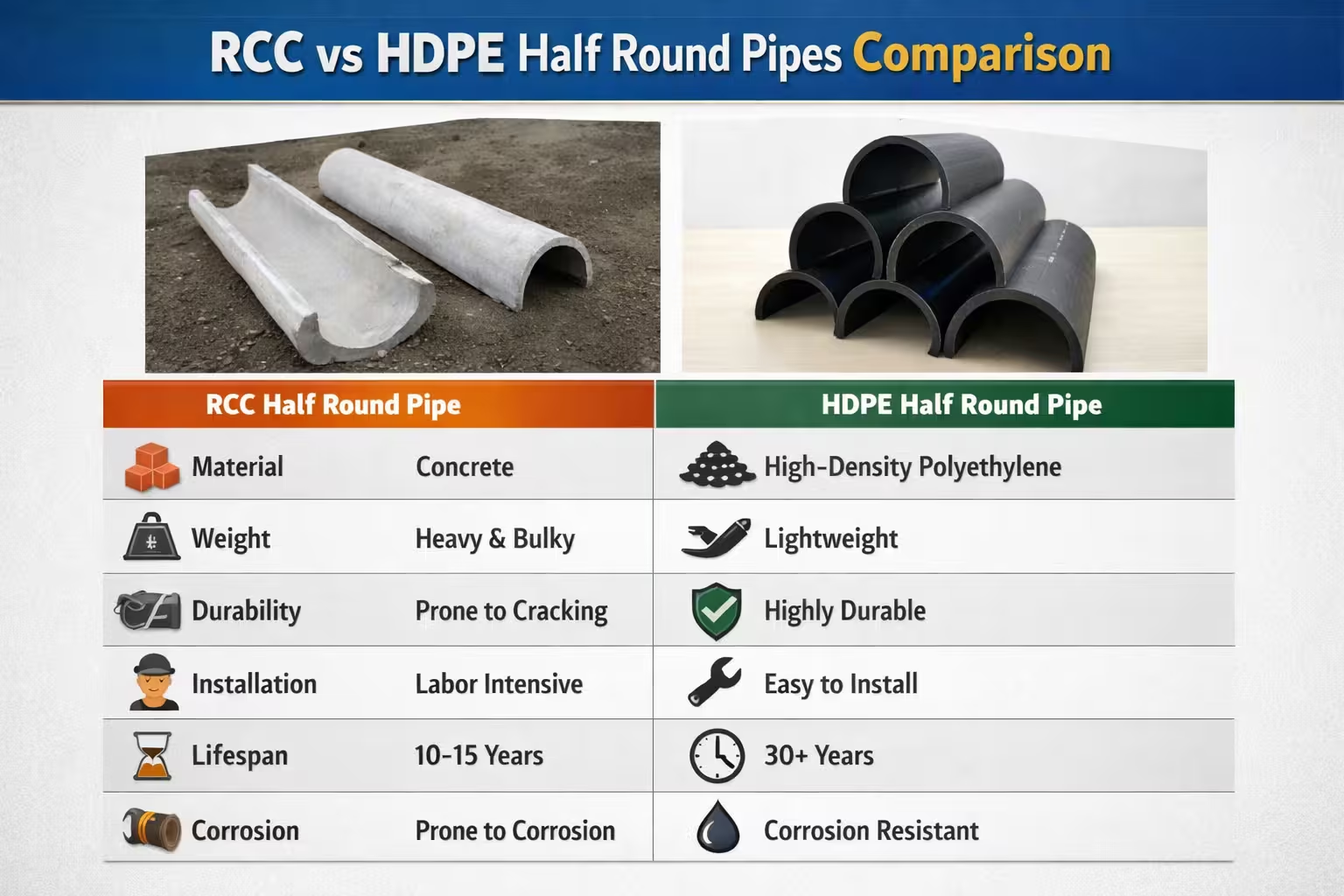
However, RCC pipes come with limitations such as heavy weight, corrosion risk, cracking, and higher installation costs.
1. Strength & Durability
HDPE DWC Pipes offer excellent flexibility, allowing them to withstand soil movement, vibration, and minor seismic activity without cracking.
RCC Pipes are rigid and prone to cracking due to settlement, ground movement, or thermal stress.
Winner: HDPE DWC Pipes
2. Hydraulic Performance
HDPE DWC pipes have a smooth inner surface, ensuring higher flow efficiency and minimal blockage.
RCC pipes have a rough interior, which increases friction and reduces long-term flow capacity.
Winner: HDPE DWC Pipes
3. Weight & Installation
HDPE DWC Pipes are lightweight, making transportation and installation faster and cheaper.
RCC pipes are extremely heavy, requiring cranes, skilled labor, and more installation time.
Winner: HDPE DWC Pipes
4. Corrosion & Chemical Resistance
HDPE is 100% corrosion-resistant, unaffected by chemicals, sewage gases, or moisture.
RCC pipes are vulnerable to corrosion, especially due to H₂S gas in sewer systems.
Winner: HDPE DWC Pipes
5. Cost & Lifecycle Value
While RCC pipes may appear cheaper initially, their maintenance, repair, and replacement costs are significantly higher.
HDPE DWC pipes offer:
Lower installation cost
Minimal maintenance
Service life of 50+ years
Winner: HDPE DWC Pipes
Modern infrastructure demands:
Faster execution
Long-term reliability
Sustainable materials
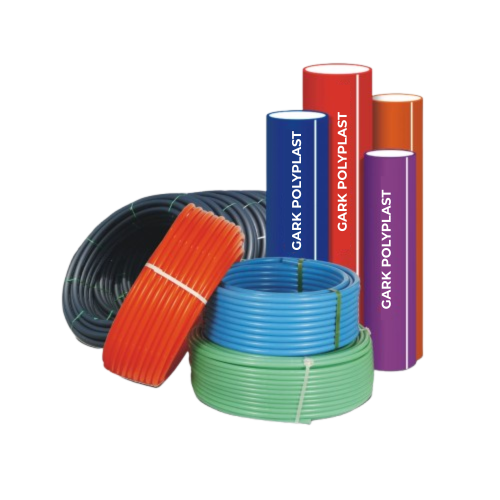
This is why government projects, highways, smart cities, and industrial zones prefer HDPE DWC Pipes manufactured by trusted companies like GARK Polyplast, a leading DWC Pipe Manufacturer in Gujarat.
Explore DWC pipe manufacturing expertise:
https://garkgroup.com/hdpe-dwc-pipes-manufacturer-supplier-in-india/
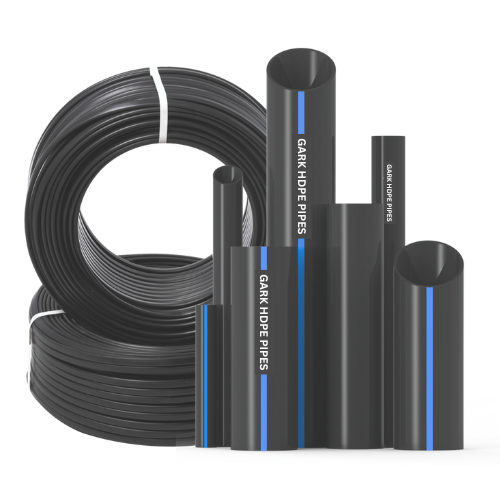
Beyond drainage, HDPE DWC pipes are increasingly used for:
Electrical cable protection
OFC and telecom networks
Solar power cable routing
This versatility makes HDPE DWC pipes a future-ready infrastructure solution.
| Parameter | HDPE DWC Pipes | RCC Pipes |
|---|---|---|
| Durability | Excellent | Moderate |
| Installation | Easy & Fast | Complex |
| Corrosion Resistance | Excellent | Poor |
| Lifecycle Cost | Low | High |
| Sustainability | Eco-friendly | High carbon footprint |
For modern drainage and infrastructure projects, HDPE DWC Pipes clearly outperform RCC Pipes in durability, performance, installation efficiency, and long-term cost savings. Choosing a reliable DWC Pipe Manufacturer in Gujarat like GARK Polyplast ensures high-quality products that meet Indian and international standards.
Latest Post
Stay Updated With Insight
Subscribe to our social media channels, never miss the latest articles, expert blogs, your business effectively.
Have Questions
The main difference lies in material, flexibility, and performance.
HDPE DWC Pipes are made from high-density polyethylene with a double-wall structure that offers flexibility, corrosion resistance, and easy installation. In contrast, RCC pipes are rigid, heavy, and prone to cracking due to ground movement and chemical corrosion.
For modern drainage systems, HDPE DWC Pipes are better than RCC pipes. They provide smoother water flow, higher durability, resistance to chemicals, and significantly lower maintenance costs over their lifecycle. This makes them ideal for stormwater, sewerage, and highway drainage projects.
Yes. HDPE DWC Pipes are strong enough to replace RCC pipes in most infrastructure applications. Their corrugated outer wall provides high ring stiffness, while the flexible structure absorbs soil pressure and traffic loads without cracking, making them suitable for roads, highways, and urban infrastructure.
HDPE DWC Pipes: 50+ years with minimal maintenance
RCC Pipes: Shorter lifespan due to corrosion, cracking, and frequent repairs
Because HDPE does not corrode or degrade easily, it offers a much longer and more reliable service life.
Yes. HDPE DWC Pipes are specifically designed for underground drainage applications, including sewer lines, stormwater drains, and industrial drainage. Their lightweight nature, leak-proof joints, and chemical resistance make them ideal for buried installations.
Installation costs for HDPE DWC Pipes are significantly lower than RCC pipes because:
They are lightweight
Require less manpower
Do not need heavy machinery
RCC pipes involve higher transportation, labor, and equipment costs, increasing overall project expenses.
Related Post
Continue Reading
Table of Contents
×